

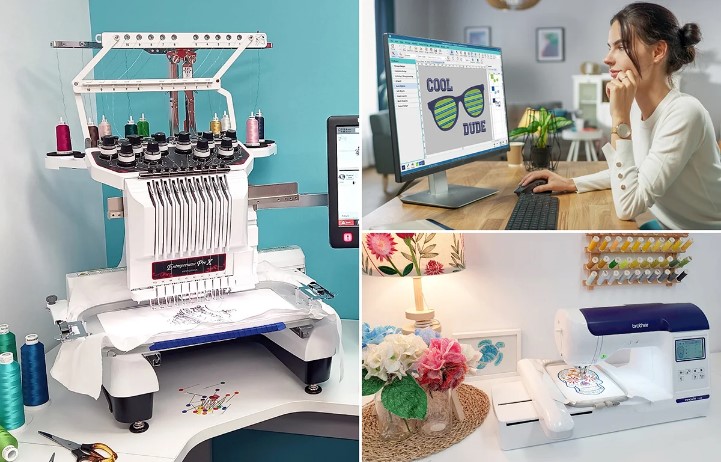
Embroidery is one of the most trusted ways to add logos to shirts, hats, jackets, bags, and uniforms. It gives a clean and professional look that lasts for years. Many businesses choose embroidery because it helps build a strong brand image and creates a high-quality appearance on products.
Before embroidery production starts, it is important to Digitize Logo for Embroidery and convert it into a PES file format. A logo image such as JPG, PNG, AI, or PDF cannot be read directly by an embroidery machine. The design must first be converted into a machine-ready embroidery file. This process helps ensure smooth stitching, clear details, and accurate embroidery results.
In this guide, we will explain why PES files are important, how the conversion process works, and why professional digitizing helps create better embroidery production results.
What Is a PES Embroidery File?
A PES file is one of the most widely used embroidery file formats.
Many Brother and Baby Lock embroidery machines use PES files.
Unlike image files, a PES file contains stitch instructions.
These instructions tell the machine:
- Where stitches should go
- Which stitch type to use
- Stitch direction
- Thread color information
- Stitch density
- Stitch sequence
Without these instructions, an embroidery machine cannot create a logo correctly.
Why Image Files Cannot Be Used Directly
Image files only show the design.
They do not contain stitch information.
Embroidery machines need instructions, not pictures.
That is why every logo must be converted into an embroidery file before production begins.
Understanding Embroidery Digitizing
Embroidery digitizing is the process of converting artwork into stitch instructions.
Many people think software automatically handles everything.
In reality, professional digitizing requires skill and experience.
More Than Simple File Conversion
Digitizing involves:
- Stitch planning
- Density control
- Underlay creation
- Compensation settings
- Stitch path optimization
Every decision affects the final embroidery result.
Every Logo Is Different
A simple logo may need one approach.
A detailed logo may require another.
Professional digitizers adjust settings based on the design.
Why Businesses Convert Logos to PES Files
Businesses rely on embroidery for branding.
A PES file helps create reliable embroidery results.
Consistent Logo Appearance
The same file can be used repeatedly.
This helps maintain brand consistency.
Better Stitch Quality
Machine-ready files improve embroidery accuracy.
Faster Production
Proper files help embroidery machines run smoothly.
Fewer Production Problems
Well-created files reduce stitching errors.
These benefits make PES files an important part of embroidery production.
How the Conversion Process Works
Creating a PES embroidery file involves several steps.
Reviewing the Artwork
The digitizer studies the logo carefully.
Important details include:
- Design size
- Text elements
- Fine details
- Color count
- Fabric type
This information helps determine the best digitizing strategy.
Planning the Stitch Layout
The next step is deciding how the logo will be stitched.
This includes:
- Stitch types
- Stitch directions
- Underlay settings
- Density levels
Careful planning improves embroidery quality.
Creating the Embroidery File
The logo is converted into stitch instructions.
These instructions are saved in PES format.
Testing the Design
A sample stitch-out may be created to verify quality.
Adjustments are made when needed.
Why Stitch Planning Is Important
Every embroidery design needs proper stitch planning.
Creating Clean Shapes
Good planning helps preserve logo accuracy.
Improving Appearance
Balanced stitching creates a polished look.
Supporting Fabric Stability
Proper planning helps reduce distortion.
Small details often make a big difference.
Understanding Different Stitch Types
Different areas of a logo require different stitches.
Running Stitch
Running stitches work best for:
- Thin outlines
- Small details
- Fine elements
Satin Stitch
Satin stitches are often used for:
- Text
- Borders
- Narrow shapes
They create a smooth finish.
Fill Stitch
Fill stitches cover:
- Large areas
- Background sections
- Solid shapes
Choosing the correct stitch type improves embroidery performance.
Why Stitch Density Matters
Density refers to how closely stitches are placed together.
Proper density is critical for quality embroidery.
Too Much Density
High density can cause:
- Thread breaks
- Stiff embroidery
- Fabric puckering
- Needle stress
Too Little Density
Low density may create:
- Gaps
- Weak coverage
- Poor visibility
Professional digitizers carefully balance density settings.
The Role of Underlay Stitches
Underlay stitches sit beneath the top embroidery.
Although hidden, they are very important.
Stabilizing Fabric
Underlay helps support the material.
Improving Stitch Coverage
Top stitches sit more evenly.
Creating Sharp Edges
Design borders appear cleaner.
A strong foundation improves the final result.
How Stitch Direction Affects Quality
Stitch direction influences both appearance and performance.
Adding Texture
Different stitch angles create visual depth.
Improving Design Appearance
Proper direction helps create cleaner embroidery.
Reducing Fabric Pull
Balanced angles reduce distortion.
Experienced digitizers carefully choose stitch directions.
Why Compensation Is Necessary
Fabric shifts during embroidery.
Thread tension also affects stitching.
Without correction, designs may lose accuracy.
What Compensation Does
Compensation helps maintain:
- Design size
- Shape accuracy
- Border alignment
- Letter clarity
These adjustments improve embroidery quality.
Supporting Small Text and Fine Details
Small lettering can be difficult to embroider.
Professional digitizers make special adjustments.
Letter Spacing
Extra spacing improves readability.
Stitch Width
Proper width helps preserve detail.
Density Control
Balanced density prevents lettering from becoming crowded.
These techniques help maintain clear text.
Common Problems Caused by Poor Digitizing
Poor digitizing can create many embroidery issues.
Thread Breaks
Improper settings increase thread stress.
Fabric Puckering
Incorrect density may distort the material.
Distorted Logos
Poor compensation affects design accuracy.
Unclear Lettering
Small text may become difficult to read.
Professional digitizing helps prevent these problems.
How Quality PES Files Improve Production
A well-created PES file improves the entire embroidery process.
Smoother Machine Performance
Machines run more efficiently.
Faster Production
Optimized stitch paths reduce delays.
Less Material Waste
Accurate files reduce costly mistakes.
Better Consistency
Every item receives the same quality embroidery.
These advantages help improve productivity.
Why Experience Matters in Digitizing
Embroidery digitizing is both a technical skill and an art.
Software alone cannot create professional embroidery.
Experienced digitizers understand:
- Fabric behavior
- Machine operation
- Thread movement
- Stitch mechanics
- Production challenges
This knowledge helps create reliable embroidery files.
At Digitizing Buddy, experienced digitizers carefully plan every design to help ensure clean stitching and smooth machine performance.
Industries That Benefit From PES Files
Many industries use embroidery for branding.
Corporate Businesses
Companies add logos to uniforms and promotional products.
Schools and Colleges
Educational organizations use embroidery on apparel and accessories.
Sports Teams
Teams rely on embroidered uniforms and merchandise.
Healthcare Facilities
Medical staff often wear embroidered apparel.
Hospitality Businesses
Hotels and restaurants use embroidered branding on uniforms.
Professional PES files support all these applications.
Long-Term Benefits of Professional PES Conversion
Professional conversion provides value beyond one project.
Better Embroidery Quality
Designs appear cleaner and more professional.
Increased Efficiency
Machines operate more smoothly.
Reduced Costs
Fewer mistakes save time and money.
Reliable Results
Files can be reused for future orders.
These benefits make professional digitizing a smart investment.
Digitizing Buddy focuses on creating machine-ready embroidery files that help businesses achieve reliable and professional embroidery results.
Building Brand Trust Through Quality Embroidery
Customers often judge a company by its presentation.
A sharp embroidered logo creates a strong first impression.
Consistent embroidery helps build trust and confidence.
Quality embroidery reflects attention to detail and professionalism.
That is why many businesses invest in professional digitizing services.
Final Thoughts
Converting a logo into a PES embroidery file is one of the most important steps before embroidery production begins. A standard image file cannot provide the stitch instructions needed by an embroidery machine. Through professional digitizing, logos are transformed into machine-ready files that guide every stitch accurately.
From stitch planning and density control to underlay and compensation, every detail affects the final result. A properly created PES file helps improve embroidery quality, reduce production issues, and create more consistent results.
By investing in professional digitizing services, businesses can achieve cleaner embroidery, stronger branding, and more reliable production. Quality digitizing provides the foundation for embroidery that looks professional, performs well, and supports long-term business success.