
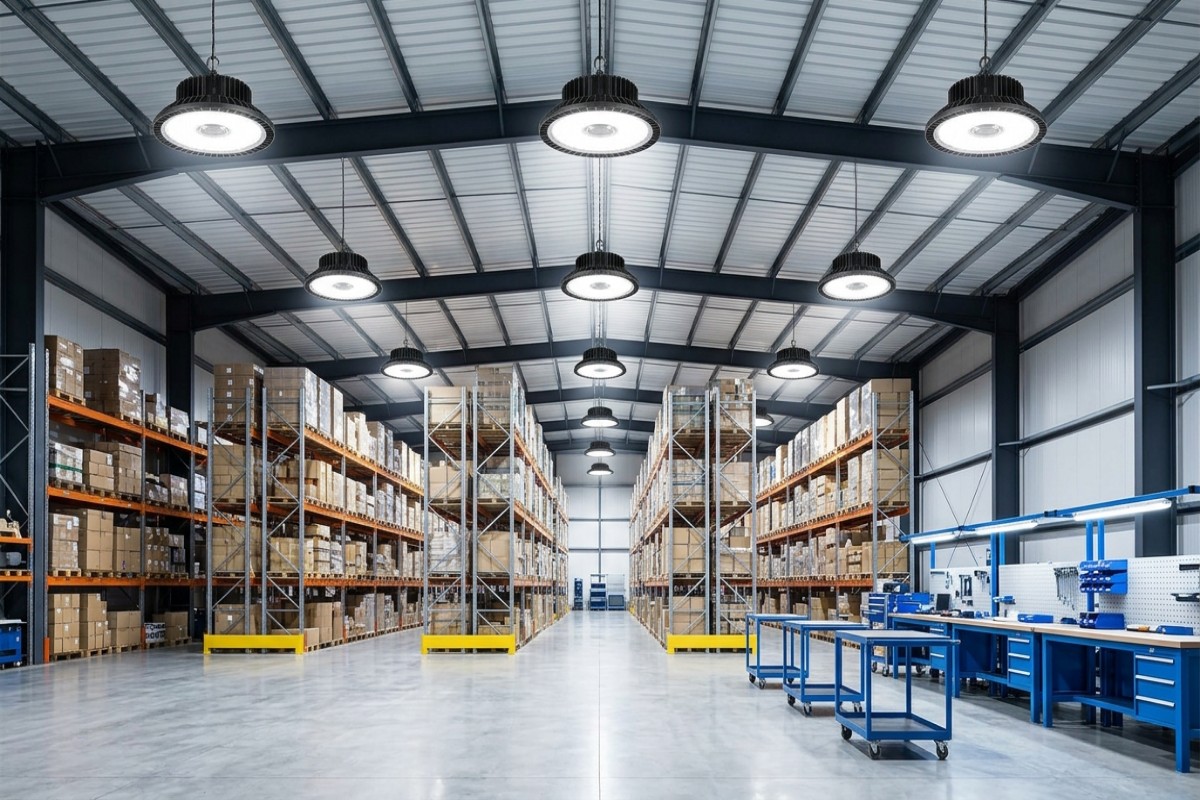
Outdoor lighting plays an important role in safety, visibility, appearance, and energy management. For parking lots, commercial properties, streets, pathways, campuses, and other large outdoor areas, choosing the right fixture can make a significant difference. Shoebox Light fixtures are designed to provide focused illumination across broad spaces while supporting efficient and practical lighting solutions.

Unlike decorative outdoor fixtures that mainly focus on appearance, shoebox lighting is commonly selected for areas where dependable and well-distributed illumination is essential. Their familiar rectangular design makes them suitable for mounting on poles and other outdoor structures, helping direct light toward roads, parking areas, walkways, and surrounding property.
What Is a Shoebox Light?
A Shoebox Light is an outdoor lighting fixture with a compact rectangular housing that is commonly installed on poles. Modern versions frequently use LED technology to produce bright illumination while consuming less electricity than many traditional outdoor lighting systems.
The fixture is generally designed to project light outward and downward. This makes it useful for large areas where lighting needs to cover a considerable surface without placing fixtures at extremely close intervals.
LED shoebox fixtures can be used for commercial, industrial, municipal, institutional, and residential applications. Their versatility allows property owners and facility managers to select different wattages, mounting options, color temperatures, and beam patterns according to the requirements of the installation.
Why Choose LED Shoebox Lighting?
LED technology has changed outdoor lighting by providing efficient illumination with long operating life and relatively low maintenance requirements. Shoebox LED fixtures combine these advantages with a design intended for area lighting.
One major advantage is energy efficiency. LED fixtures can provide substantial illumination while using less electricity than older lighting technologies. For properties operating outdoor lights for many hours each night, reducing energy consumption can contribute to lower operating costs.
Another advantage is longevity. Quality LED fixtures are designed to operate for many years under normal conditions. Longer service life can reduce the frequency of lamp replacement and maintenance work, particularly when fixtures are installed on tall poles.
LED lighting can also provide consistent illumination. Good optical design helps distribute light across the intended area, reducing excessively dark sections and improving visibility for people using the property.
Common Applications of Shoebox Lights
Shoebox Lights are suitable for many outdoor environments. Their practical design makes them particularly useful where wide-area lighting is required.
Parking Lots
Parking areas are one of the most common applications. Proper illumination can help drivers see parking spaces, pedestrians, signs, entrances, and surrounding vehicles. Pole-mounted shoebox fixtures can illuminate large parking areas from elevated positions.
Businesses, shopping centers, apartment complexes, hospitals, offices, and educational facilities may use these fixtures to create a more visible and organized outdoor environment.
Roadways and Driveways
Shoebox lighting can also be installed along private roads, driveways, access routes, and commercial entrances. Carefully positioned fixtures can provide useful visibility for vehicles and pedestrians while directing light toward the areas that need it.
Commercial Properties
Retail stores, warehouses, office buildings, industrial facilities, and business campuses often require dependable outdoor lighting. Shoebox fixtures can illuminate loading areas, entrances, parking spaces, walkways, and perimeter sections.
Educational Facilities
Schools, colleges, and training campuses may use outdoor LED fixtures around parking areas, pedestrian paths, athletic facilities, and building entrances. Proper lighting can help create a more visible environment during evening activities.
Industrial Locations
Industrial facilities frequently have large outdoor areas that require practical illumination. Shoebox LED fixtures can be used around storage yards, loading zones, employee parking, access roads, and facility perimeters.
Important Shoebox Light Features
When selecting a Shoebox Light, several specifications should be considered before installation.
Wattage
Wattage indicates how much electrical power the fixture uses. Higher wattage does not automatically mean better lighting. The appropriate wattage depends on mounting height, area size, spacing, desired brightness, and fixture optics.
Choosing the correct wattage can help prevent unnecessary energy consumption while providing adequate illumination.
Color Temperature
LED shoebox fixtures are available in different color temperatures. Cooler white light can create a crisp appearance and is often selected for parking lots, commercial facilities, and security-oriented areas. Warmer options may create a softer visual environment.
The right choice depends on the property’s purpose and the desired appearance.
Mounting Options
Mounting compatibility is another important consideration. Shoebox fixtures can be paired with different mounting accessories and pole configurations. Slip-fit, direct-arm, adjustable, and other mounting solutions may be available depending on the fixture design.
Before purchasing, check the existing pole and mounting hardware to ensure compatibility.
Photocell Compatibility
Outdoor lights may operate with photocells or other controls that automatically turn fixtures on when natural light decreases and off when daylight returns. This can reduce unnecessary operating time and simplify daily lighting management.
Weather Resistance
Outdoor fixtures are exposed to rain, dust, humidity, temperature changes, and other environmental conditions. A suitable outdoor-rated housing and appropriate ingress protection can help the fixture withstand its installation environment.
Always review the manufacturer’s specifications before selecting a fixture for demanding outdoor conditions.
How to Select the Right Shoebox Light
Selecting the right fixture requires more than simply choosing the brightest available model. Start by evaluating the area that needs illumination.
Consider the dimensions of the parking lot, roadway, walkway, or property. Next, determine the available mounting height and existing pole configuration. These factors influence how far the light can project and how evenly the area can be illuminated.
Fixture spacing is also important. Installing fewer high-powered fixtures does not always produce better results. Strategic placement and suitable optics can provide more uniform coverage.
Consider energy usage as well. If the lighting system operates throughout the night, an efficient LED fixture can be particularly beneficial. Adding compatible controls can provide additional energy management.
Finally, check the product’s environmental rating, operating temperature range, construction, warranty, and mounting compatibility before making a purchase.
Shoebox Light Distribution and Optics
Light distribution affects how illumination reaches the ground. Different optical patterns are designed for different applications.
A fixture intended for a large parking lot may require a different distribution pattern from one installed along a roadway. The objective is to place illumination where it is needed rather than simply producing maximum brightness directly beneath the fixture.
Proper optics can improve uniformity and help minimize areas that are excessively bright or poorly illuminated. Professional lighting layouts can be useful for larger commercial or industrial projects because they help determine fixture spacing, mounting height, wattage, and distribution.
Maintenance Benefits of LED Shoebox Fixtures
Outdoor lighting maintenance can become challenging when fixtures are mounted on tall poles. Traditional lamps may require regular replacement, which can involve equipment, labor, and temporary access restrictions.
LED shoebox fixtures can reduce maintenance frequency because of their long operating life. Although LED systems still require inspection and cleaning, their extended service life can make ongoing maintenance easier.
Periodic checks should include the fixture housing, mounting hardware, wiring, controls, and visible signs of damage. Keeping fixtures clean can also help maintain their intended light output.
Upgrading Older Outdoor Lighting
Businesses and property managers with older outdoor lighting systems may consider upgrading to LED shoebox fixtures. An upgrade can provide an opportunity to improve efficiency, lighting quality, controls, and maintenance requirements at the same time.
Before replacing existing fixtures, evaluate the current system. Identify areas with insufficient illumination, excessive brightness, damaged fixtures, high energy use, or frequent maintenance problems.
A properly planned LED upgrade should focus on the actual lighting needs of the property rather than simply replacing each old fixture with an LED fixture of similar wattage.
Smart Controls and Energy Management
Modern outdoor lighting can incorporate controls that make operation more efficient. Photocells, timers, dimming systems, and other control technologies can help adjust lighting according to operating conditions.
For example, a property may require full illumination during busy evening hours but less lighting during periods of limited activity. Depending on the fixture and control system, dimming schedules can help reduce energy consumption while maintaining useful visibility.
Smart lighting solutions may be especially valuable for large commercial properties with numerous fixtures.
Installation Considerations
Professional installation is recommended for large outdoor lighting projects. Pole-mounted fixtures require secure mounting and appropriate electrical connections.
Before installation, confirm the electrical requirements, pole condition, mounting compatibility, wiring, circuit capacity, and control configuration. The installation should also comply with applicable electrical and building requirements.
Correct aiming is important as well. Even a high-quality fixture may perform poorly if it is incorrectly positioned. Proper adjustment helps direct illumination toward parking spaces, roads, entrances, or other target areas.
Final Thoughts
Shoebox Lights provide a practical lighting solution for outdoor spaces that require broad, reliable illumination. Modern LED models combine efficient operation, long service life, flexible mounting options, and useful light distribution for applications such as parking lots, commercial properties, roadways, campuses, and industrial facilities.
Choosing the right fixture involves evaluating wattage, optics, color temperature, mounting requirements, environmental conditions, controls, and the size of the area being illuminated. With proper planning and installation, LED Shoebox Lights can help create a brighter, more efficient, and better-managed outdoor lighting system for many types of properties.